Understanding Bed Bugs and Their Habits
What are Bed Bugs?
Bed bugs are small, reddish-brown insects that feed primarily on the blood of humans and animals. These nocturnal pests are about the size of an apple seed and have a flat, oval shape, making them adept at hiding in small spaces. They are often found in and around beds, mattresses, bedding, and furniture, and their existence can lead to significant discomfort and health risks.
How Do Bed Bugs Spread?
Bed bugs can spread easily from one location to another, mainly through personal belongings. They are experts at hitchhiking on luggage, clothing, and furniture. An infestation can quickly occur when a person unknowingly brings bed bugs home from a hotel, shared living space, or as a result of close contact with someone who already has them. Their resilient nature and ability to reproduce rapidly exacerbate this problem.
Signs of Bed Bug Infestation
Identifying a bed bug infestation early is crucial for effective management. Common signs include:
- Small, dark spots on sheets or mattresses, which are bed bug excrement.
- White, oval eggs in crevices of furniture or bedding.
- Live bugs, which can sometimes be spotted near their hiding places.
- Itchy welts or rashes on the skin, often arising after a night’s sleep.
Common Methods of Bed Bug Treatment
Heat Treatment for Bed Bugs
Heat treatment is a highly effective method of eliminating bed bugs. This involves raising the temperature in infested areas to levels lethal to bed bugs, typically around 120°F (49°C) for at least 90 minutes. Special equipment is used to monitor temperatures and ensure adequate coverage. One of the benefits of heat treatment is that it penetrates into cracks and crevices where bed bugs dwell, providing thorough eradication.
Pesticides and Chemical Treatments
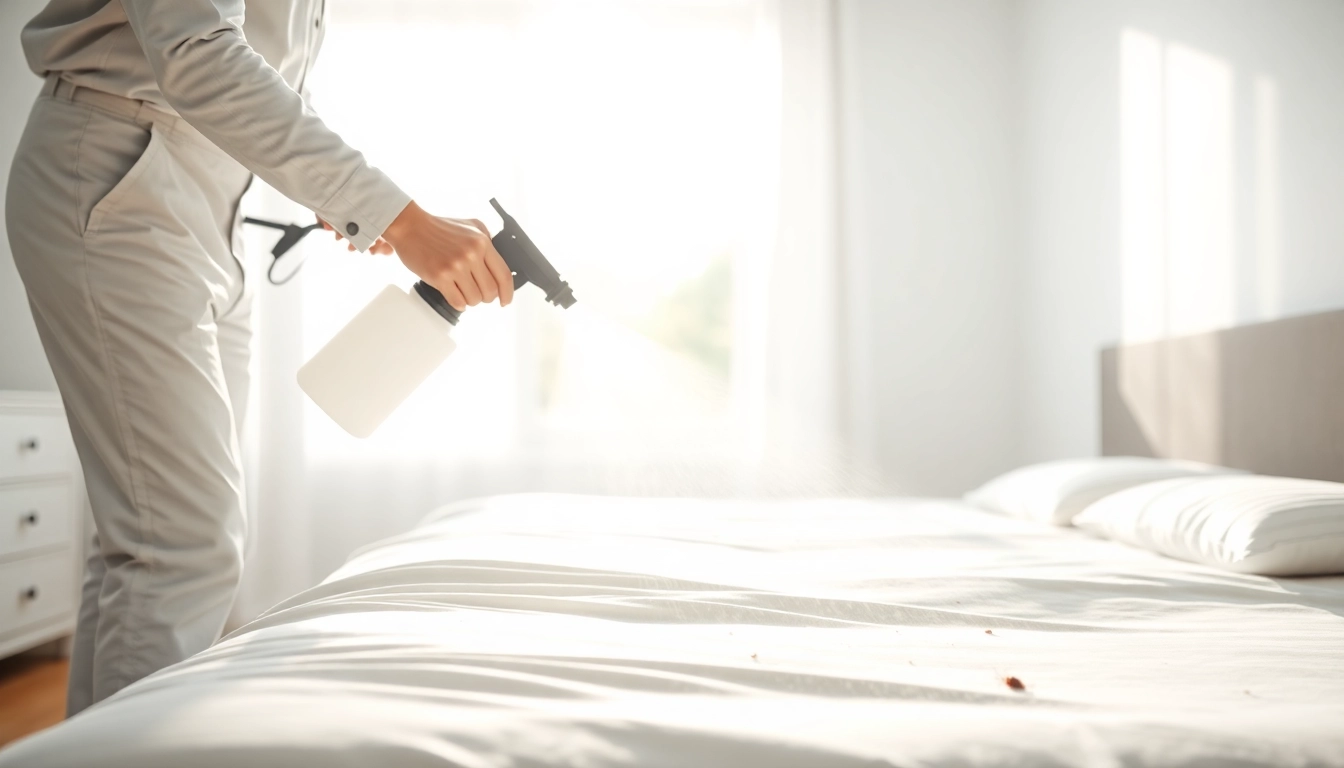
Chemical treatments involve applying insecticides that target bed bugs and their eggs. It’s vital to select a pesticide labeled specifically for bed bug treatment and follow the instructions carefully. Alternative chemical methods include using residual insecticides that provide long-lasting protection. However, caution is advised due to potential health risks, necessitating professional application in some cases.
DIY Bed Bug Treatment Methods
For those seeking budget-friendly options, DIY methods can be effective if implemented correctly. Common techniques include:
- Using a vacuum cleaner to remove bed bugs and eggs from infestations.
- Washing bed linens and clothing in hot water followed by a high-heat dryer cycle.
- Utilizing diatomaceous earth, a natural insecticide that can help in reducing bed bug populations.
- Building homemade traps using substances like soapy water to capture the pests.
While these methods can help manage small infestations, severe cases often require professional bed bug treatment.
Preparing Your Home for Bed Bug Treatment
Decluttering for Effective Treatment
Before treatment begins, it is essential to declutter your home. This not only makes it easier to treat the infestation but also minimizes the risk of bed bugs returning. Remove unnecessary items from the infested areas, and consider sealing items in plastic bags to prevent spreading the infestation. Clear spaces allow for better penetration of treatments and prevent bugs from hiding.
Essential Steps Before Treatment
Prior to treatment, follow these critical steps to maximize effectiveness:
- Wash all bedding, clothing, and linens in hot water and dry them on the highest setting.
- Vacuum thoroughly to remove visible bugs and eggs from carpets, furniture, and beds.
- Disassemble bed frames and move furniture away from walls for better access during treatment.
Post-Treatment Precautions
After treatment, it is crucial to take precautions to prevent re-infestation. Replacing infested items, sealing cracks and crevices, and maintaining a clean living environment are vital steps. Regular inspections following treatment can also help catch any early signs of a resurgence.
Costs Associated with Bed Bug Treatment
Factors Influencing Treatment Costs
The cost of bed bug treatment can vary widely based on numerous factors, such as the size of the infestation, the type of treatment chosen, and the geographical location. Additional considerations include whether follow-up treatments are necessary and any preparation required by the homeowner.
Cost Comparison of Treatments
Understanding the costs associated with each treatment option can help you make an informed decision:
- Heat treatment: Generally higher upfront costs, but can be effective in a single session.
- Chemical treatments: Often less expensive initially but may require multiple applications.
- DIY methods: Low-cost, but effectiveness can be limited based on the severity of the infestation.
Budgeting for Effective Solutions
When budgeting for bed bug treatment, consider setting aside funds for potential follow-up treatments and preventative measures. Consulting with pest control professionals can provide insight into expected costs based on your situation.
Frequently Asked Questions about Bed Bug Treatment
How do you get rid of bed bugs quickly?
Vacuum daily, wash bedding in hot water, and consider professional treatment methods for quicker eradication.
Are homemade treatments effective against bed bugs?
Homemade treatments can help manage minor infestations, but severe cases often require professional solutions.
How long does bed bug treatment take to work?
The effectiveness varies, but many methods require several weeks, including follow-up checks, to ensure all bugs are eliminated.
Can I prevent bed bugs from returning?
Regular cleaning, inspecting used furniture, and sealing cracks can help prevent future infestations.
What should I do if bed bugs return?
If bed bugs return, contact a professional exterminator to reassess the situation and suggest further treatment options.