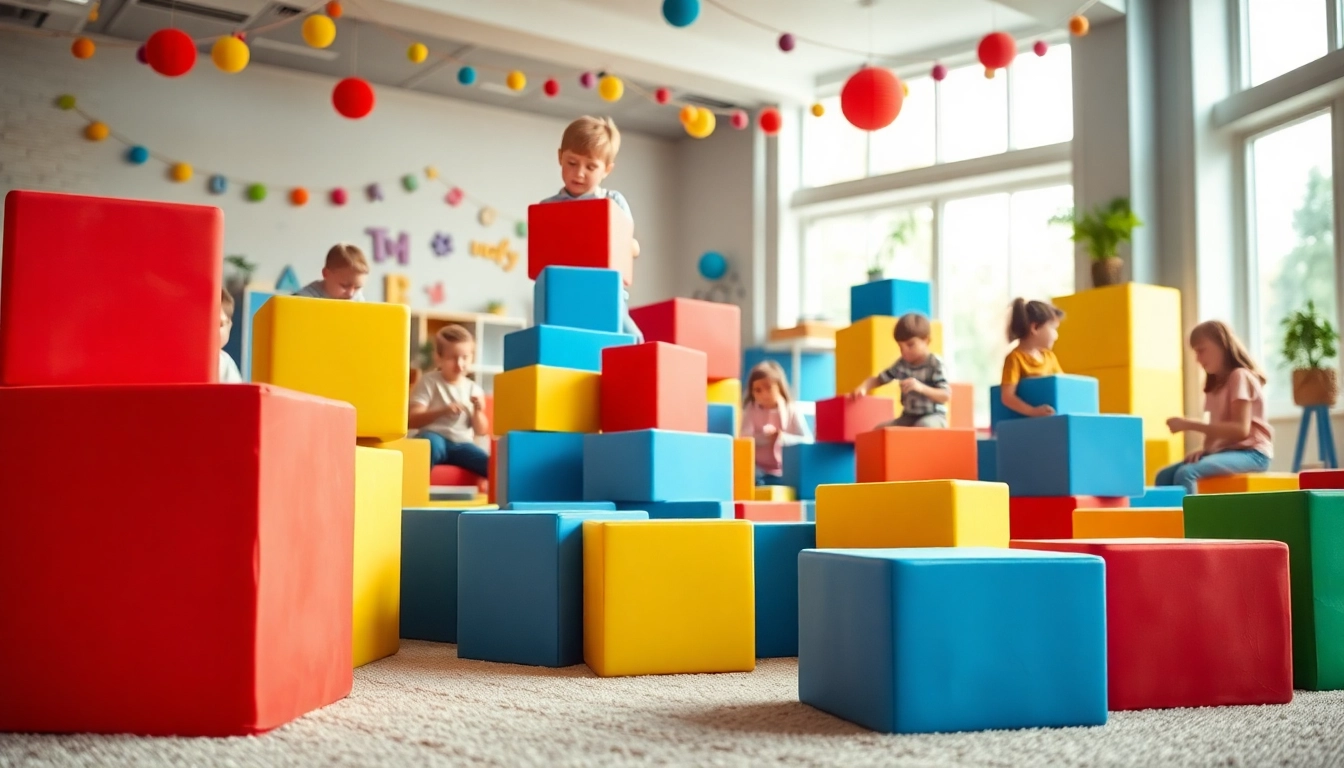
Benefits of Giant Foam Building Blocks
Enhancing Creativity and Imagination
Giant foam building blocks serve as a dynamic canvas for the imagination of children. They encourage unstructured play, enabling kids to construct their own worlds. Whether they envision towering castles or spacious forts, these blocks offer the versatility required to bring their ideas to life. Studies show that such imaginative play is crucial for cognitive development, as it enhances problem-solving skills and fosters a sense of creative agency. Additionally, when children create, they learn to think critically about spatial relationships and balance, skills that are essential for later learning in science and math.
Promoting Physical Activity and Coordination
Utilizing giant foam building blocks promotes physical exercise in a fun and engaging way. The act of lifting, stacking, and rearranging these blocks naturally encourages movement, contributing to greater physical fitness. This active play helps develop gross motor skills, improving coordination and balance in children. Moreover, engaging in such physical activities can be beneficial in combating sedentary behavior associated with excessive screen time. The combination of play and physical exercise not only enhances physical well-being but also boosts mood and energy levels.
Encouraging Social Interaction and Teamwork
Giant foam building blocks are perfect for fostering social connections among children. Group activities centered around building layouts allow children to work collaboratively, negotiate ideas, and utilize team strategies. This experience enhances communication skills as they express their thoughts and listen to others. Through cooperative play, children learn valuable lessons about compromise and shared goals, which are crucial for social development and emotional intelligence. In addition, it assists them in making new friends, improving their interpersonal skills in a fun context.
Choosing the Right Foam Building Blocks
Material Quality and Safety Standards
When it comes to purchasing giant foam building blocks, selecting high-quality materials is paramount. Look for blocks made from non-toxic, durable foam that adheres to safety regulations. Quality foam lasts longer and withstands rough play, while ensuring a safe play environment. Materials should be BPA-free, phthalate-free, and comply with national safety standards to minimize risks such as choking hazards or skin irritations. Reading reviews and checking for safety certifications can guide buyers in making informed decisions.
Size Variations for Different Age Groups
Not all giant foam building blocks are created equal; they come in various sizes and configurations to cater to different age groups. For toddlers, smaller blocks are often better as they are easier to handle and pose less risk in terms of injury. For older children, larger blocks can challenge their creativity and stimulate more complex builds. Understanding the ideal block size for specific age ranges ensures safety and maximizes play possibilities. Considerations for age-appropriate designs can significantly enhance the play experience.
Design and Color Options for Engaging Play
Children are naturally drawn to vibrant colors and unique shapes, which enhance their engagement with play materials. Many foam block sets come in assorted colors, allowing for expressive play and creative designs. Some manufacturers even offer themed designs, such as blocks that mimic buildings or natural elements. Involving children in selecting colors or themes can further personalize their play experience. This sensory involvement not only boosts their excitement but also promotes learning through color recognition and spatial awareness.
Setting Up the Ultimate Indoor Play Area
Space Planning for Maximum Fun
Creating an effective indoor play area requires thoughtful space planning. Identify a designated spot that allows ample room for movement and creativity. Ideally, this space should be away from distractions and hazards, ensuring a safe environment for energetic play. Consider using rugs or mats to create a soft landing if blocks are toppled. Incorporating storage solutions for blocks and other toys will help keep the area organized, enriching the overall play experience and encouraging responsibility in children.
Tips for Arranging and Organizing Blocks
How you arrange foam building blocks can significantly impact the play experience. Organizing blocks by size or color can encourage children to practice sorting and categorization. Providing different zones for stacking, building, and free play can inspire various types of engagement. Consider using clear bins or containers for storage; this will help children understand where to place blocks once playtime is over, teaching them about tidiness and organization.
Incorporating Other Play Elements for Variety
To enrich playtime, consider integrating other elements beyond foam blocks into the indoor play area. This may include soft balls, tunnels, or climbing structures that complement block play. Such additions contribute to sensory experiences and nurture skills like spatial relationships and coordination. Incorporating themed props or costumes can also double the fun by inviting imaginative play scenarios, thereby enhancing the overall experience for children.
Creative Game Ideas with Foam Blocks
Building Challenges for Kids
Organizing building challenges can add a competitive edge to playtime. Set specific themes or height targets for children to aim for within a time limit. This not only promotes physical activity but also challenges their cognitive skills as they strategize how to construct stable structures. Encourage children to work in teams to brainstorm designs and tackle obstacles, fostering collaboration and critical thinking. Documenting the results visually or through photography can provide a fun memory alongside the experience.
Interactive Storytelling Using Blocks
Turn storytime into an interactive experience by using foam blocks. Ask children to construct settings or characters related to a predetermined story or allow them to create their own narratives. By building scenes from their stories, kids can engage their creative minds while developing language skills. This hands-on approach helps in fostering comprehension and storytelling abilities while making reading a more immersive and enjoyable experience.
Crafting Unique Structures for Themed Adventures
Enhance the fun by setting up themed adventures using foam blocks. Children can recreate famous landmarks or invent their own fantastical worlds. Themed adventures encourage various types of learning, including geography, architecture, and collaborative gameplay. Regularly changing themes—like space, ocean, or jungle—can keep the play experience fresh and exciting, motivating children to participate eagerly in their creative endeavors.
Maintaining and Caring for Your Foam Blocks
Cleaning and Disinfecting Guidelines
Proper care and maintenance of foam blocks ensure longevity and safety for children. Clean blocks routinely using a mixture of mild soap and water to remove dirt and bacteria. A damp cloth is sufficient to wipe down surfaces after use. For disinfection, especially during flu season or health concerns, use mild disinfectants approved for children's toys. Regular cleaning not only preserves the appearance of the foam but also maintains a healthy play environment.
Storage Solutions to Maximize Space
Efficient storage solutions are vital to maintaining an organized and inviting play area. Use shelving units, bins, or dedicated storage bags to keep blocks protected and accessible. Stackable storage can optimize floor space, allowing for more room to play freely. Educating children on where blocks belong after playtime will instill values of responsibility and organization, making cleanup an integral part of the play experience.
Inspecting for Wear and Tear to Ensure Safety
Regularly inspect foam building blocks for signs of wear and tear, such as dents, cracks, or peeling. This precaution is crucial for maintaining a safe play environment. Any damaged pieces should be set aside to discuss with children why they are unsafe, reinforcing lessons about care and safety during play. Additionally, establishing a routine check before play can prevent injuries and build awareness about the importance of safe toys.
FAQs
1. What age group is best suited for giant foam building blocks?
Giant foam building blocks are designed for children aged 2 and up, providing safe and engaging play for various age groups.
2. How do I clean giant foam building blocks?
Clean foam blocks with mild soap and water, then wipe them down with a damp cloth to maintain hygiene while ensuring safety.
3. Are foam building blocks safe for indoor play?
Yes, foam building blocks are soft, lightweight, and designed for safety, making them ideal for indoor play environments.
4. Can adults use giant foam building blocks?
Absolutely! They can be used for team-building activities and creative exercises, fostering collaboration and fun among adults.
5. How many blocks should I buy for effective play?
The ideal quantity depends on the available space and the number of children. A set of 20-30 blocks works well for group play.
For more details about enhancing play through foam blocks, consider exploring various design and play strategies for optimal engagement.