Understanding Security Camera Analytics
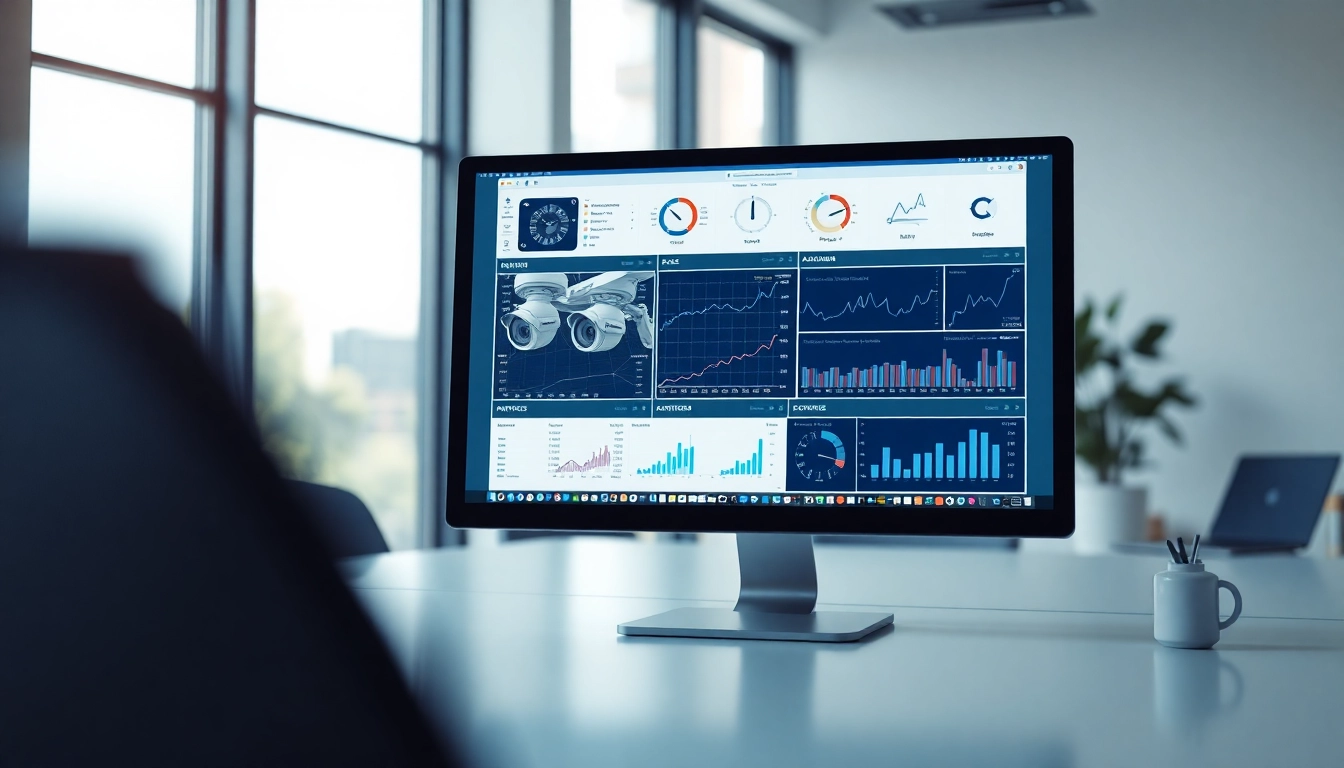
Security camera analytics is rapidly reshaping the landscape of surveillance systems, enhancing their capabilities beyond mere recording to offer real-time insights and data interpretation. In an age where safety and efficiency are paramount, adopting robust security camera analytics solutions can turn passive observations into proactive security management strategies. By streamlining surveillance processes and enabling instant responses, security camera analytics are becoming indispensable tools across various sectors, from retail to city-wide law enforcement.
What Are Security Camera Analytics?
At its core, security camera analytics refers to sophisticated software applications that utilize artificial intelligence (AI) and machine learning to analyze video footage from surveillance cameras. These analytics tools detect, track, and classify objects or behaviors in real-time, transforming traditional video feeds into actionable intelligence. This system allows for the identification of suspicious activities, automatic alerts for abnormal behavior, and comprehensive analytics that can help companies or organizations strategize their security protocols.
Key Benefits of Implementing Security Camera Analytics
The implementation of security camera analytics can lead to significant advantages:
- Enhanced Security: By analyzing footage for anomalies, organizations can proactively respond to potential threats, drastically reducing response times.
- Operational Efficiency: Automation of tasks such as monitoring means that security personnel can focus on critical areas while the software handles routine analysis.
- Cost Effectiveness: Reducing the reliance on security personnel for continuous watching can lower overall staffing costs.
- Insightful Data Analytics: Collecting and analyzing data over time can help organizations understand patterns, optimize resource allocation, and improve decision-making processes.
- Compliance and Reporting: Having a comprehensive logging and analysis capability aids in meeting regulatory requirements and provides valuable insights for audits.
How Security Camera Analytics Work
Security camera analytics operate via a combination of video feeds, sophisticated algorithms, and machine learning models. Initially, the system captures video footage through surveillance cameras. The analytics software then processes this data in real-time, applying algorithms to recognize and categorize various objects, activities, or behaviors. The analytics tools can send alerts when certain thresholds are exceeded, such as unauthorized access to restricted areas, suspicious loitering, or rapid movements in typically calm environments.
Types of Security Camera Analytics
Object Detection and Tracking
Object detection is one of the foundational functions of security camera analytics. This technique involves recognizing and classifying items and individuals within a video feed. Once identified, the system can track the motion of these objects across the surveillance area. This capability is essential for numerous applications—from monitoring customer flows in retail spaces to tracking individuals in high-security environments.
Facial Recognition Technology
Facial recognition technology represents a more specialized type of security camera analytics. It utilizes algorithms to identify individuals by analyzing facial features, allowing organizations to track attendance, recognize VIPs, and even identify potential threats in real time. The efficiency of these systems has significantly improved due to advances in machine learning, although they also raise certain ethical and privacy concerns.
Behavioral Analysis Features
Behavioral analysis features go beyond individual object detection by interpreting actions, aligning them with known patterns of normal behavior. This capability enables the analytics system to identify unusual movements, such as a person running away from a scene or lingering in a restricted area. The system can then trigger alerts based on predefined criteria, enhancing the capability to prevent crime and respond swiftly.
Implementing Security Camera Analytics in Your System
Steps to Integrate Security Camera Analytics
Integrating security camera analytics into a surveillance system requires a strategic approach:
- Assess Requirements: Determine the specific needs of your organization, including the types of analytics required and potential threat scenarios.
- Choose the Right Technology: Select appropriate camera hardware and analytics software that align with your organization’s objectives.
- Plan Deployment: Outline the process for deployment, including camera placements and integration with existing systems.
- Train Staff: Ensure security personnel and staff are trained on how to use the new analytics tools effectively.
- Monitor and Optimize: Regularly assess the effectiveness of the analytics and make adjustments as necessary to improve performance.
Choices of Technology and Tools
When integrating security camera analytics, organizations must consider various tools and technologies available in the marketplace. Look for systems that offer flexibility, compatibility with current infrastructures, and advanced processing capabilities. Options may include edge computing solutions, AI capabilities for route processing, and cloud-based storage for large quantities of video data.
Optimal Camera Placement for Data Accuracy
The effectiveness of security camera analytics heavily depends on camera placement. Proper positioning maximizes the coverage area while minimizing blind spots. Key considerations include:
- Field of view: Ensure that cameras can capture detailed views of areas of concern.
- Height: Cameras should be installed at an optimal height to avoid tampering and provide clear facial views.
- Lighting: Cameras should be positioned to minimize glare and maximize performance in low-light situations.
Challenges in Using Security Camera Analytics
Common Pitfalls and Misconceptions
While the benefits of security camera analytics are immense, challenges do exist. Common pitfalls include underestimating the technological requirements for effective analytics, overlooking the importance of data privacy, and failing to integrate user training into the deployment process. Organizations may also mistakenly believe that simply installing the software will provide all necessary insights without appropriate configuration and monitoring.
Privacy Concerns and Ethical Considerations
Implementing surveillance systems raises important privacy issues. Mismanagement of data or invasive monitoring practices can lead to legal troubles and loss of public trust. Hence, organizations must ensure compliance with local laws and regulations governing data use while balancing security needs with respecting individuals' privacy rights.
Solutions to Overcome Implementation Challenges
Organizations can tackle these challenges by adopting a comprehensive strategy that includes the following steps:
- Conduct regular training sessions for staff to keep them informed about best practices and emerging privacy concerns.
- Engage in ongoing dialogue with stakeholders to address fears and misunderstandings surrounding surveillance technology.
- Invest in transparent policies that outline the uses of data collected and provide channels for public feedback.
Future Trends in Security Camera Analytics
Emerging Technologies and Innovations
The future of security camera analytics is likely to be influenced by several emerging technologies, including advancements in AI and deep learning, which enable even more powerful data processing capabilities. Innovations such as drones equipped with video analytics and integrated smart camera systems will redefine how security operations are performed.
Predictions for Market Growth
The market for security camera analytics is expected to experience robust growth as businesses and governments increasingly recognize the value of data-driven security. As technology improves and costs decrease, even smaller enterprises can leverage sophisticated analytics to enhance security performance.
The Role of Artificial Intelligence
Artificial intelligence will continue to play a pivotal role in the evolution of security camera analytics. From improved object detection algorithms to more intuitive user interfaces, AI is set to enhance the usability and effectiveness of surveillance systems, enabling more intuitive security management strategies.
Frequently Asked Questions
What are the primary benefits of security camera analytics?
Key benefits include enhanced security, increased operational efficiency through automation, cost savings by reducing staffing needs, and insightful data analytics for better decision-making.
How does facial recognition in security camera analytics work?
Facial recognition analyzes facial features to identify individuals and can be used to track attendance or alert security about potential threats. The system matches captured faces against a database to aid identification.
What are the main challenges of implementing security camera analytics?
Major challenges include understanding technological requirements, managing privacy concerns, and ensuring staff are trained effectively to maximize the system’s capabilities.
How can organizations ensure privacy compliance in surveillance?
Organizations should understand and adhere to local laws regarding surveillance, inform the public about the data collection practices, and establish clear policies on data handling and retention.
What trends can we expect in the future of security camera analytics?
Future trends include enhanced AI capabilities, market growth due to cost reductions, and innovations like drone surveillance, which will all improve the capabilities and effectiveness of security analytics systems.