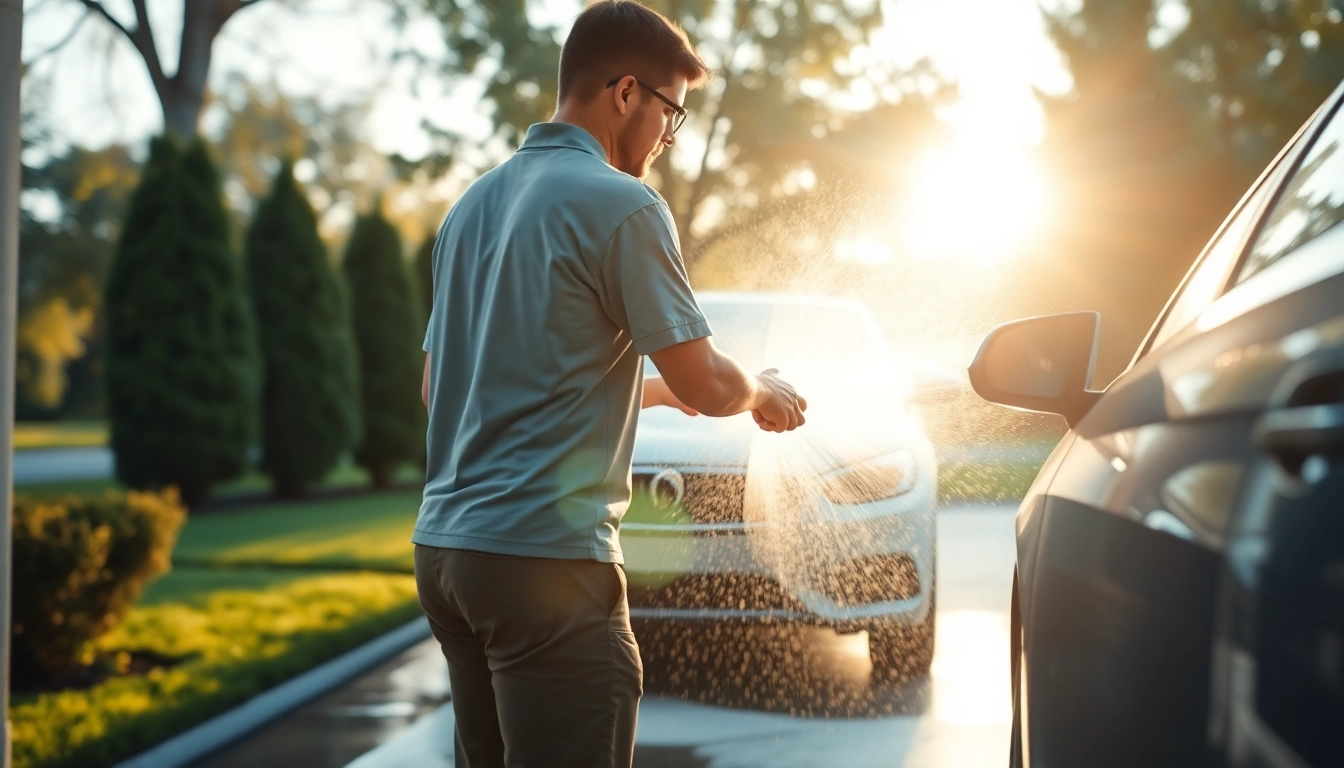
Introduction to Safe Car Washing Techniques
Washing your car is more than just a routine chore; it's a critical part of vehicle maintenance that ensures your car remains aesthetically pleasing while protecting its value. However, improperly washing your car can lead to scratches, swirl marks, and damage to various surfaces. This article explores safe car washing techniques, equipping you with the knowledge needed for a safe and effective wash.
Why Use Safe Car Washing Techniques?
The primary reason to adopt safe car washing techniques is to prevent damaging your car’s paintwork. Using the wrong methods can lead to micro-abrasions that compound over time, leading to a dull appearance. Moreover, safe washing ensures that your vehicle's wax and sealant layers are preserved, maintaining your car's shine and protection from environmental factors.
Common Mistakes to Avoid
Many car owners unknowingly make mistakes that can compromise the quality of their wash. Some common errors include:
- Using Household Products: Many people use dish soap or other household cleaners which can strip protective wax layers.
- Skipping Rinsing: Failing to rinse soap and contaminants properly can lead to scratches.
- Using Dirty Tools: Dirty towels, sponges, or brushes can introduce scratches.
- Washing in Direct Sunlight: Heat can cause soap to dry too quickly, leading to streaks.
Benefits of a Proper Wash
Implementing safe washing techniques offers numerous benefits:
- Preservation of Paint Surface: Safe washing protects the paint and maintains its luster.
- Increased Resale Value: A well-maintained exterior can significantly boost your car’s value.
- Environmental Protection: Proper washing minimizes runoff that can harm local ecosystems.
Preparing for Your Car Wash
Preparing adequately for a car wash is just as important as the wash itself. The right preparation ensures efficient and effective cleaning.
Gathering the Right Tools
To safely wash your car, you'll need to gather the following essential tools:
- Two Buckets: One for soapy water and another for rinsing.
- Microfiber Cloths: Soft and absorbent are essential for drying.
- Car Wash Soap: Specialized formulas designed to be gentle on paint.
- Soft Sponge: Preferably one designated for car washing.
- Wheel Brush: To effectively clean tires without damaging the finish.
Selecting the Best Washing Products
An effective wash starts with the right products. Choose a car wash soap that’s pH-balanced and specifically formulated for automotive finishes. Avoid products that contain wax if you plan to apply a coat afterward, as they can interfere with the bonding of the new wax.
Choosing the Right Environment
The environment in which you wash your car has a significant impact on the outcome. Always wash your car in a shaded area and when the engine is cool. This prevents soap from drying too quickly and allows for an even, streak-free finish.
Step-by-Step Safe Car Washing Techniques
Following a structured wash routine can greatly enhance the quality of the wash while preventing damage.
Two-Bucket Method Explained
The Two-Bucket Method is a widely respected technique that minimizes the risk of scratching your car:
- Fill one bucket with soapy water and the other with clean water for rinsing your sponge or mitt.
- Wash the car from top to bottom, starting with the roof, then the windows, and working your way down to the sides and finally the wheels.
- Regularly rinse your sponge in the clean water bucket to remove dirt before dipping it back into the soapy water.
- Repeat this process for all sections of the car, ensuring that contaminants are removed properly.
Proper Rinsing Techniques
Rinsing is a crucial step that can affect the final appearance of your vehicle. The following techniques are recommended for effective rinsing:
- Flood Rinsing: Use a hose with no attachment to allow the water to flow gently over the car. This method helps avoid leaving water spots.
- Spot Rinsing: For any remaining soap residues, particularly around crevices and trims, use a spray nozzle to ensure thorough removal.
Drying Techniques for a Spotless Finish
Drying is just as important as washing, and a proper technique prevents water spots and streaks:
- Use a Dedicated Drying Towel: A high-quality microfiber drying towel is gentle on paint and highly absorbent.
- Blot, Don't Wipe: Avoid rubbing the towel on the surface to prevent scratches; gently blot the surface instead.
- Dry in Sections: Target one area at a time to ensure you don't miss spots.
- Consider Using a Leaf Blower: This can effectively remove water from hard-to-reach areas such as mirrors, grills, and around lights.
Additional Tips for Effective Car Washing
Beyond the basics, implementing additional strategies can ensure the best results.
Best Time to Wash Your Car
The optimal time to wash your car is during early morning or late afternoon when temperatures are cooler. This reduces the risk of soap drying too quickly and enhances the overall wash effectiveness.
How to Wash Different Car Surfaces
Different surfaces require different care. For example:
- Paint: Always use soft tools and gentle soap designed for cars.
- Wheels: A dedicated wheel cleaner can help combat brake dust without damaging the finish.
- Glass: Ensure to use a glass cleaner that won’t smear or harm other surfaces.
Seasonal Considerations for Car Washing
Your car washing strategy might need adjustments depending on the season:
- Winter: Salt and road grime can cause corrosion; more frequent washes are necessary.
- Summer: The heat can accelerate wax and sealant degradation, so maintain protective layers.
- Fall: Debris from trees can stick to surfaces; regular cleaning can prevent scratching.
- Spring: Pollen and other residues require thorough washes to keep car surfaces clean.
Frequently Asked Questions
What is the best soap for car washing?
The best soap is a pH-balanced car wash solution designed specifically for automotive finishes, as it cleans effectively without stripping wax or damaging the paint.
Can I wash my car in direct sunlight?
It's best to avoid washing your car in direct sunlight, as this can cause soap to dry too quickly, leading to streaks and water spots.
How often should I wash my car?
Generally, washing your car every two weeks is recommended, but you may need to wash more often if exposed to harsher environmental conditions.
Are there eco-friendly car washing products?
Yes, many eco-friendly products are available that use biodegradable ingredients, which do not harm the environment and still provide a thorough clean.
What should I avoid while washing my car?
Avoid using household cleaning products, washing in direct sunlight, using dirty tools, and rubbing surfaces vigorously to prevent scratches and damage to your vehicle.