Understanding Integrated Modular Systems
Integrated Modular Systems (IMS) represent a transformative approach to addressing complex engineering challenges, particularly in industries such as water treatment and wastewater management. These systems combine various functional modules into a cohesive framework, optimizing performance and efficiency. As we move towards 2026, the importance of such systems in ensuring sustainability and operational efficiency cannot be overstated. When exploring options, Integrated Modular Systems provide comprehensive insights into modern solutions designed to meet diverse needs.
What are Integrated Modular Systems?
Integrated Modular Systems are pre-engineered solutions that consist of interconnected modules, each serving a specific function within a larger system. These modules can include components for water treatment, chemical dosing, and waste management, allowing for customization and scalability. By integrating these systems, organizations can streamline operations, reduce costs, and improve overall service delivery.
Key Components of Integrated Modular Systems
The primary components of Integrated Modular Systems often include:
- Modular Treatment Units: These are specialized tanks or containers pre-fabricated for specific treatment processes, such as filtration or chemical dosing.
- Control Systems: Advanced technology that oversees the operation of various modules, ensuring they work in sync for optimal performance.
- Support Structures: Frameworks that provide stability and ease of access for maintenance and operational needs.
- Integration Capabilities: Features that enable easy connection with existing infrastructure or other modular systems.
Benefits of Using Integrated Modular Systems
Adopting Integrated Modular Systems boasts a variety of advantages, including:
- Flexibility: Modular systems can be adjusted or expanded based on evolving demands or specific project requirements.
- Efficiency: Streamlined operations lead to faster processing times and reduced energy consumption, particularly in water treatment applications.
- Cost-Effectiveness: Modular designs often reduce construction and maintenance costs through standardization and reduced installation times.
- Scalability: As needs grow, additional modules can be integrated without major disruptions.
Core Applications of Integrated Modular Systems
Water Treatment Solutions
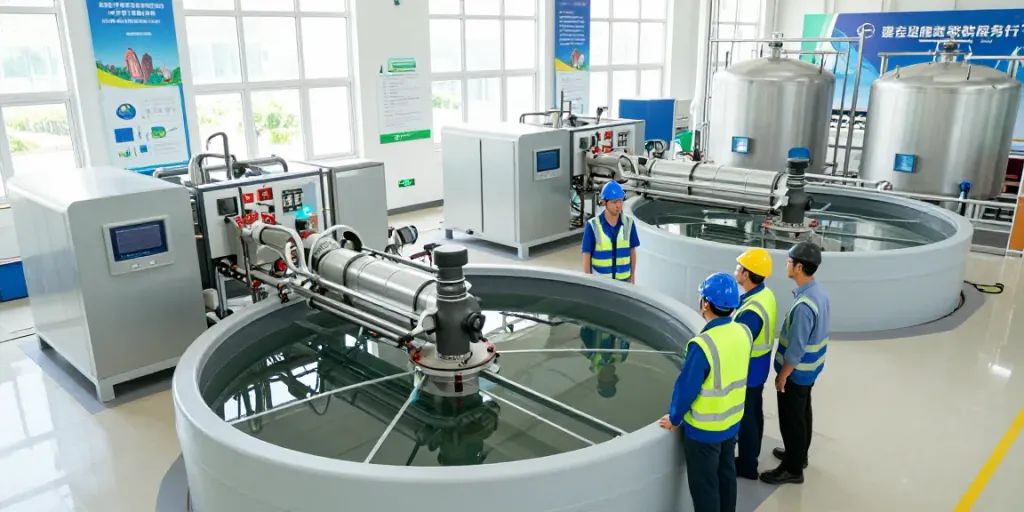
Water treatment remains one of the most critical applications for Integrated Modular Systems. These systems offer various solutions tailored to address specific contaminants and operational requirements. For example, QILEE’s Integrated Membrane Water Treatment System utilizes advanced filtration to remove impurities efficiently.
Industrial Wastewater Management
In industrial settings, wastewater management is paramount. Integrated Modular Systems can incorporate DAF (Dissolved Air Flotation) and Sludge Dewatering modules that are specifically designed to handle wastewater with high concentrations of suspended solids. These systems ensure compliance with environmental regulations while maintaining operational effectiveness.
Case Studies in Modular Implementation
Several industries have successfully implemented Integrated Modular Systems. For instance, a recent case study in a manufacturing facility highlighted how modular treatment systems reduced processing time by 30% while significantly lowering operational costs. Such success stories underscore the effectiveness and adaptability of integrated systems across different sectors.
Integrating Technology with Modular Systems
Innovative Features of Integrated Systems
Modern Integrated Modular Systems are equipped with cutting-edge features such as real-time monitoring, automated controls, and remote management capabilities. These technologies enhance system performance and enable users to make data-driven decisions.
Automation and Monitoring Technologies
Automation plays a crucial role in optimizing Integrated Modular Systems. By incorporating IoT (Internet of Things) technologies, operators can monitor system health and performance metrics in real-time, allowing for timely interventions and maintenance actions.
Future-Proofing with Modular Adaptability
As industry standards evolve, the ability to adapt and upgrade existing systems is vital. Integrated Modular Systems provide a versatile framework that allows for easy updates and enhancements to infrastructure without the need for complete overhauls.
Challenges and Solutions in Modular System Implementation
Common Misconceptions about Modular Systems
Despite the benefits, misconceptions about Integrated Modular Systems abound. One common myth is the belief that modular systems are less robust than traditional systems. In reality, many modular systems are designed to meet or exceed the performance of conventional setups.
Overcoming Installation and Maintenance Obstacles
Installation and maintenance can pose challenges for Integrated Modular Systems. To address these issues, it's essential to develop comprehensive training programs for staff and to ensure that manufacturers provide ongoing support to facilitate smooth implementation.
Best Practices for Successful Integration
Successful integration of modular systems involves careful planning and execution. Key best practices include:
- Conduct thorough site assessments to understand unique requirements.
- Engage stakeholders early in the process to ensure alignment on project goals.
- Utilize skilled technicians for installation and maintenance to guarantee system reliability.
Looking Ahead: Trends in Integrated Modular Systems
Predicted Developments for 2026 and Beyond
As the industry progresses towards 2026, several trends are expected to emerge within the Integrated Modular Systems landscape, including a greater emphasis on sustainability, enhanced automation, and deeper integration with digital technologies.
The Role of Sustainability in Modular Systems
The growing need for environmentally friendly solutions will drive innovations in Integrated Modular Systems. Manufacturers are increasingly focusing on creating systems that minimize waste and conserve resources, aligning with global sustainability goals.
Expert Insights and Future Opportunities
Industry experts predict that the future of Integrated Modular Systems will be shaped by advancements in artificial intelligence and machine learning, which could optimize operations further and reduce human error.
What is an example of a modular system?
An example of a modular system is the DAF (Dissolved Air Flotation) system used in wastewater treatment, which can be easily integrated with additional modules like sludge dewatering for enhanced processing.
How much does a modular system cost?
The cost of a modular system can vary significantly based on the complexity, components, and customization required. Generally, the initial investment may be higher, but the long-term savings and efficiency gains can justify the expense.
What is modular integrated construction?
Modular integrated construction refers to the practice of assembling structural components off-site and integrating them into a cohesive whole on-site. This method is increasingly applied in various industries, including construction and manufacturing, for efficiency and quality control.
What is the difference between modular and integrated design?
While modular design focuses on creating individual components that can be combined, integrated design emphasizes the seamless combination of these components into a unified system to maximize functionality and performance.
How can integrated modular systems enhance efficiency?
Integrated Modular Systems enhance efficiency through streamlined operations, reduced waste, and the ability to adapt quickly to changing conditions or requirements, ultimately leading to improved outcomes and lower costs.