What is a Genie Boom?
Definition and Functionality
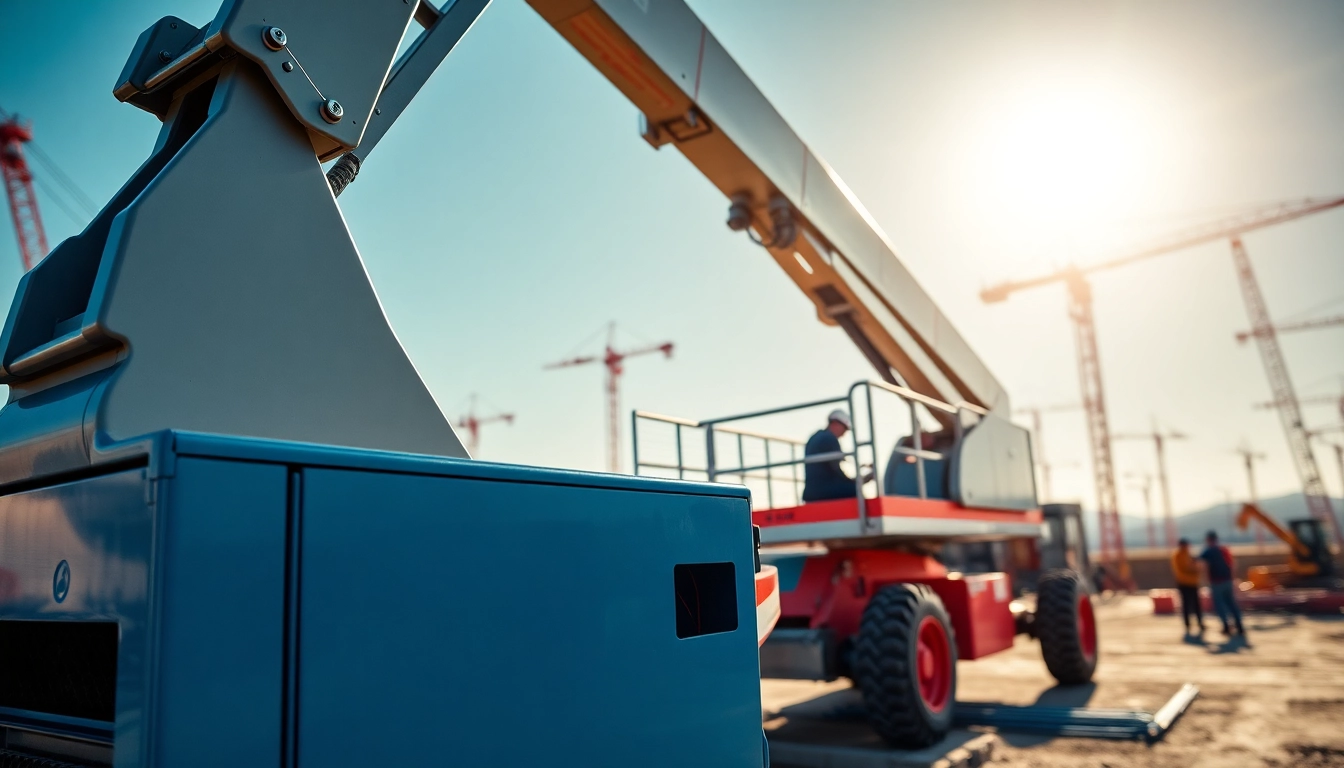
A genie boom refers to a type of aerial work platform that elevates individuals and equipment to significant heights. Primarily designed for use in construction, maintenance, and repair operations, these machines provide flexible access to hard-to-reach locations. Genie booms can maneuver over obstacles, allowing workers to perform tasks that would otherwise require scaffolding or ladders.
Key Components of Genie Boom
Understanding the key components of a genie boom is critical to leveraging its potential efficiently. Key components include:
- Extendable Arm: The essence of the genie boom, enabling both vertical and horizontal reach.
- Platform: The working area where operators stand, equipped with safety features.
- Base: Provides stability and mobility, often featuring wheeled support.
- Hydraulic Systems: Control the boom's movements, allowing it to lift and extend with precision.
- Control System: Typically located in the platform, it allows the operator to maneuver the boom easily.
Understanding Reach and Capacity
One of the most vital aspects of determining the suitability of a genie boom for a specific job is understanding its reach and load capacity. Genie booms come in various models, each with distinct capabilities. Boom lifts generally feature a maximum height of 30 to 185 feet, but this varies by model. Load capacities can range from 500 to 1,200 pounds based on machine design and specifications. To optimize productivity, assessing both reach and capacity according to project requirements is essential.
How to Operate a Genie Boom Safely
Pre-Operation Checks
Before operating a genie boom, thorough pre-operation checks ensure safety and efficiency. Operators should:
- Inspect all safety features and control systems.
- Check for visible damages or leaks in hydraulic systems.
- Confirm that the work area is free of hazards, including overhead obstacles.
- Ensure that the ground surface is stable for support.
Safe Operating Practices
Following established protocols enhances the safety and effectiveness of using a genie boom. Safe operating practices include:
- Always follow manufacturer guidelines for operation.
- Use personal protective equipment, such as helmets and harnesses.
- Communicate effectively with ground crews using hand signals or radios.
- Limit the workforce on the platform to the maximum allowed capacity.
- Never exceed the manufacturer's specified load limits.
Understanding Controls and Features
Familiarity with the control system of a genie boom is critical. Operators should understand:
- Main Controls: Typically joystick-based, these control vertical and horizontal movement.
- Emergency Stop: A vital safety feature that halts operations immediately if needed.
- Platform Controls: Often duplicated in the basket, allowing operators to control movement while elevated.
- Safety Features: Including tilt sensors and alarm notifications for when the unit exceeds safe angles or conditions.
Applications of Genie Boom in Various Industries
Construction Sites
Genie booms are invaluable on construction sites. From framing new structures to installing roof systems, their reach and flexibility drastically improve workflow. Additionally, their ability to traverse uneven terrain gives contractors access to various elevations for tasks like siding or gutter installations.
Maintenance and Repair
Facilities maintenance crews often rely on genie booms for accessing rooftops, lighting installations, and signage upkeep. Their articulating design allows for precise positioning, making them ideal for infrastructure modifications or repairs in tight spaces.
Event Setup and Staging
In events and theater productions, genie booms facilitate quick and efficient setup of lighting and audiovisual equipment. Their adjustable height allows for seamless maneuverability in spaces traditionally difficult to service, such as amphitheaters or expansive indoor venues.
Choosing the Right Genie Boom for Your Needs
Evaluating Your Project Requirements
When selecting a genie boom, assessing project requirements is key. Consider factors such as:
- The height and reach necessary for the task.
- The weight of personnel and tools involved.
- The environment in which the genie boom will operate, including terrain and space constraints.
Comparison of Models
Genie offers various models of booms, including telescopic and articulated designs. Telescopic models are suited for tasks requiring pure vertical lift, while articulated booms provide additional maneuverability for hard-to-reach areas. Understanding specific job requirements will guide users toward the most beneficial model.
Assessing Rental vs. Purchase Options
Deciding whether to rent or purchase a genie boom depends on projected usage frequency. For infrequent tasks, renting may be more economical, while owning a genie boom may be more viable for ongoing needs. Evaluating budget constraints, storage solutions, and maintenance support also influence this decision.
Common Issues and Troubleshooting Tips
Identifying Operational Problems
Genie booms may encounter operational issues like hydraulic failures or electrical malfunctions. Precise identification is critical. Common indicators include unexpected movements, abnormal noises during operation, or erratic control responses.
Maintenance Best Practices
Regular maintenance ensures optimal performance of a genie boom. Best practices include:
- Carrying out daily inspections before operation.
- Regularly servicing hydraulic and electrical systems.
- Keeping the boom clean to prevent wear and corrosion.
- Documenting maintenance activities for compliance and historical reference.
When to Call for Professional Help
If issues persist after troubleshooting, it’s wise to engage professionals. Signs necessitating expert intervention include:
- Persistent hydraulic leaks or performance issues.
- Electrical failures that cannot be remedied by operational checks.
- Damage to structural components or safety features that impair usage.
FAQs
What is a Genie boom lift?
A Genie boom lift is an aerial platform that elevates people and materials, offering access to elevated areas efficiently.
How much weight can a Genie boom lift hold?
Genie boom lifts commonly support an unrestricted platform capacity of around 660 pounds and a maximum capacity of 1,000 pounds depending on the specific model used.
What are the safety features of a Genie boom?
Safety features may include emergency lowering systems, tilt sensors, and non-slip surfaces on the platform to enhance operator safety during use.
Can Genie booms be used outdoors?
Yes, Genie booms are versatile and suitable for both indoor and outdoor applications, with models available for varied environmental conditions.
What maintenance is required for a Genie boom?
Proper maintenance includes regular inspections, cleaning, checking hydraulic and control systems, and implementing timely servicing to ensure adequate performance and safety.