What is Pipeline Rehabilitation CIPP Liner?
Pipeline Rehabilitation using a Cured-In-Place Pipe (CIPP) liner is an innovative method for repairing existing pipelines without the need for extensive excavation. This trenchless technology allows for minimal disruption to surrounding structures while effectively restoring the functionality and structural integrity of aging pipes. As urban infrastructure continues to age, Pipeline Rehabilitation CIPP Liner becomes an increasingly vital solution in managing pipeline conditions.
Defining CIPP Lining
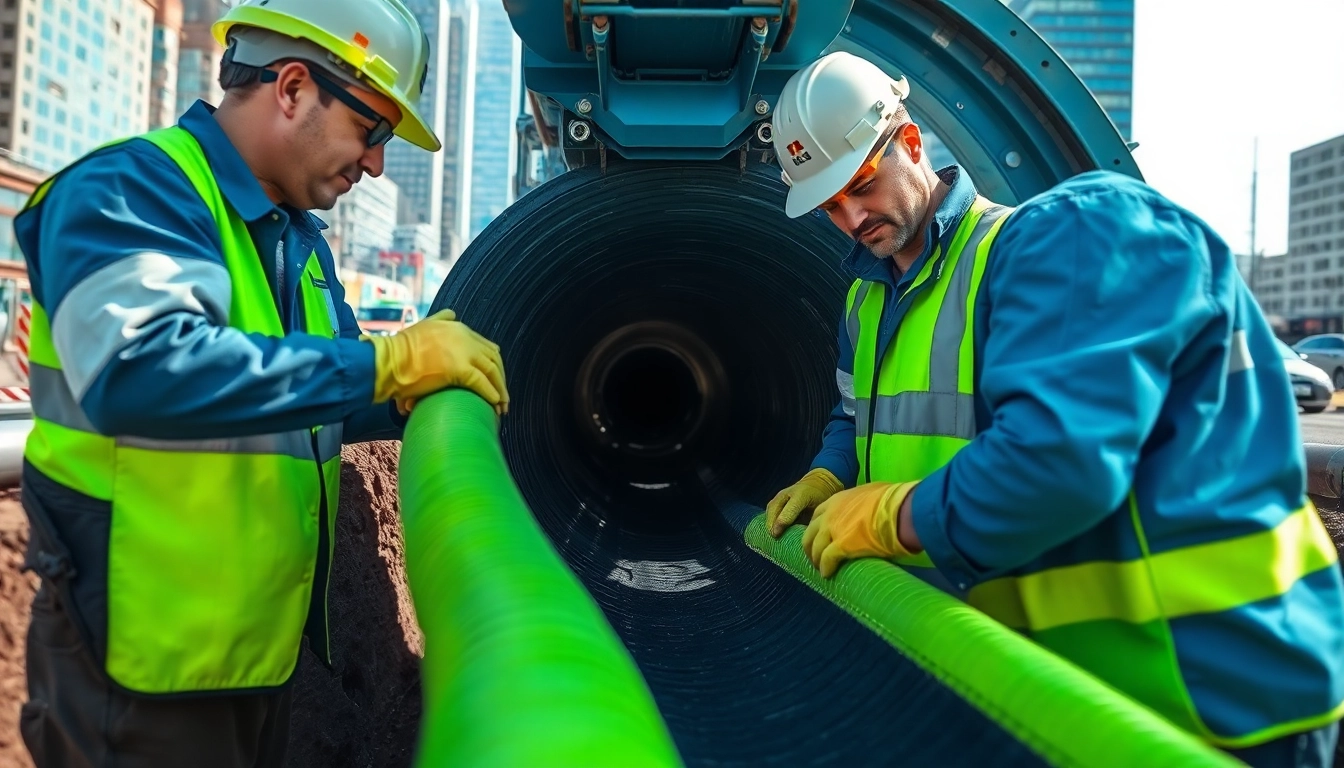
CIPP lining is a trenchless rehabilitation technique wherein a flexible liner, usually made of felt or fiberglass, is saturated with resin and then inserted into an existing pipe. Once placed, the liner is cured using heat or ultraviolet (UV) light, creating a seamless pipe within the original pipe. This innovative method essentially repairs damages, restores flow, and adds durability without major disruptions.
Historical Background of CIPP
The CIPP technology was first developed in the 1970s and has since undergone significant advancements, evolving from a niche solution to a widely accepted standard in pipeline rehabilitation. Its effectiveness in reducing both costs and environmental impacts has garnered attention, making it a preferred choice among municipalities and contractors alike. The increasing sophistication of materials and methods used in CIPP has further solidified its place in the rehabilitation sphere.
Current Trends and Technology
As technology progresses, so does the CIPP method. Current trends include the integration of advanced materials like thermoplastic liners and innovative curing technologies that expedite the installation process and enhance liner performance. Developments such as robotic automation in installation and quality assurance measures ensure that CIPP projects meet strict quality standards while being executed efficiently.
Benefits of Using Pipeline Rehabilitation CIPP Liner
Cost-Effectiveness Compared to Traditional Methods
One of the most compelling advantages of CIPP lining is its cost-effectiveness. Traditional methods of pipe repair often involve extensive excavation, road closures, and increased labor costs. CIPP, however, minimizes these expenses by avoiding invasive digging and reducing restoration costs. Furthermore, the longevity of CIPP liners can lead to significant savings over time by reducing the frequency and extent of future repairs.
Environmental Advantages of CIPP
CIPP provides significant environmental benefits, notably in reducing the carbon footprint associated with pipeline repairs. Because it is a trenchless method, less excavation occurs, resulting in fewer disturbances to the surrounding ecosystem. Additionally, CIPP liners are often made from sustainable materials and contribute to prolonged pipeline life, thus reducing the frequency of repairs and resource consumption.
Durability and Longevity of CIPP Liners
CIPP liners are designed to last. Studies show that when properly installed, they can have a lifespan exceeding 50 years, with many factors contributing to their resilience against corrosion, root intrusion, and environmental variations. This durability offers peace of mind for municipalities and property owners, correlating to long-term operational cost reductions.
Step-by-Step Process of CIPP Installation
Initial Inspection and Preparation
The first step in CIPP installation involves thorough inspection and preparation of the existing pipeline. This may include cleaning the pipe to remove debris, grease, and obstructions using high-pressure water jets or specialized cleaning tools. Proper assessment of the pipe condition helps in determining the ideal CIPP liner size and material, ensuring effective rehabilitation.
Installation Techniques for Pipeline Rehabilitation CIPP Liner
After preparation, the selected CIPP liner is saturated with resin and positioned within the pipe. Various techniques can be employed, such as inversion or pulling methods, depending on the pipe's geometry and situational constraints. Once placed, the liner is expanded against the pipe wall through pressure or heat, preparing it for curing.
Curing Process and Quality Checks
The curing process can utilize hot water, steam, or UV light depending on the equipment and liner materials. This critical phase solidifies the resin, enabling it to bond tightly with the existing pipeline. Quality checks are implemented throughout the installation, including monitoring temperature and pressure, to confirm that the curing process meets the specified standards. Post-installation inspections, often through video monitoring, ensure that the new liner is intact and functional.
Challenges and Solutions in CIPP Lining
Common Issues During Installation
While CIPP lining is highly effective, it is not without challenges. Common issues during installation can include pipe diameter changes or offset joints, which may complicate the insertion process. Additionally, existing tree roots or severely corroded sections can impede successful liner installation.
Mitigating Risks in Pipeline Rehabilitation
To minimize risks, a comprehensive site assessment is essential. Utilizing advanced imaging techniques, such as CCTV inspections, allows for accurate evaluations of the pipeline condition. Proper planning, including selecting the right liner material and size, can also mitigate many potential post-installation issues.
Best Practices for Success
Successful CIPP installations require adherence to best practices, which include diligently following preparation protocols, ensuring quality control throughout the process, and having contingency plans for unexpected challenges. Collaboration between engineers, contractors, and stakeholders is vital to achieve optimal results, ensuring that safety and efficiency are prioritized at every stage.
Future of Pipeline Rehabilitation CIPP Liner
Innovations on the Horizon
The future of CIPP technology shines bright with continuous innovations. Advances in materials science are leading to the development of even more robust and environmentally-friendly liners. Additionally, automation and artificial intelligence are becoming integrated into monitoring and inspection processes, enhancing the efficiency and accuracy of pipeline rehabilitation efforts.
Regulatory Changes Impacting CIPP Usage
As the need for sustainable solutions grows, regulatory bodies are increasingly focusing on the efficacy and environmental impact of pipeline rehabilitation techniques. This calls for adherence to updated guidelines ensuring high safety and quality standards. Staying informed about regulatory changes will be crucial for contractors to maintain compliance and ensure optimal project outcomes.
Case Studies Demonstrating Success
Numerous case studies illustrate the successful application of CIPP technology. For instance, municipalities that opted for CIPP lamented a reduction in repair times and costs compared to traditional methods. These case studies not only highlight the efficacy of CIPP but also bolster its credibility within infrastructure management communities.
Frequently Asked Questions
1. What is the lifespan of a CIPP liner?
CIPP liners can last upwards of 50 years if properly installed and maintained, significantly extending the life of the existing pipeline.
2. How does CIPP compare to traditional pipe repair methods?
CIPP is generally more cost-effective and less disruptive than traditional methods, requiring no excavation and resulting in faster project completion times.
3. What are common materials used in CIPP?
The common materials include felt, fiberglass, and thermoplastics, each chosen based on specific project requirements and environmental conditions.
4. Can CIPP be applied to large-diameter pipes?
Yes, CIPP technology is adaptable and can be used for various pipe diameters, making it versatile for different applications.
5. How do I ensure quality during CIPP installation?
Quality assurance during installation can be maintained through rigorous inspections, adherence to protocols, and utilizing skilled professionals throughout the project.