Introduction to Screen-Free Play
In today's digital age, children are increasingly surrounded by screens. With smartphones, tablets, and televisions vying for their attention, it's vital to encourage activities that promote screen-free play. Engaging with toys that do not rely on technology not only fosters creativity but also nurtures essential motor skills and imaginative potential. For resources and further inspiration on this topic, you can visit the website.
Importance of Play without Screens
Screen-free play is increasingly recognized as an essential aspect of childhood development. Engaging in activities that do not rely on screens allows children to explore the world around them more deeply, develop social skills when interacting with peers, and foster creativity without boundaries. The act of physical play encourages movement, enabling children to strengthen their bodies and gain a better understanding of their own capabilities.
Benefits for Fine Motor Skills Development
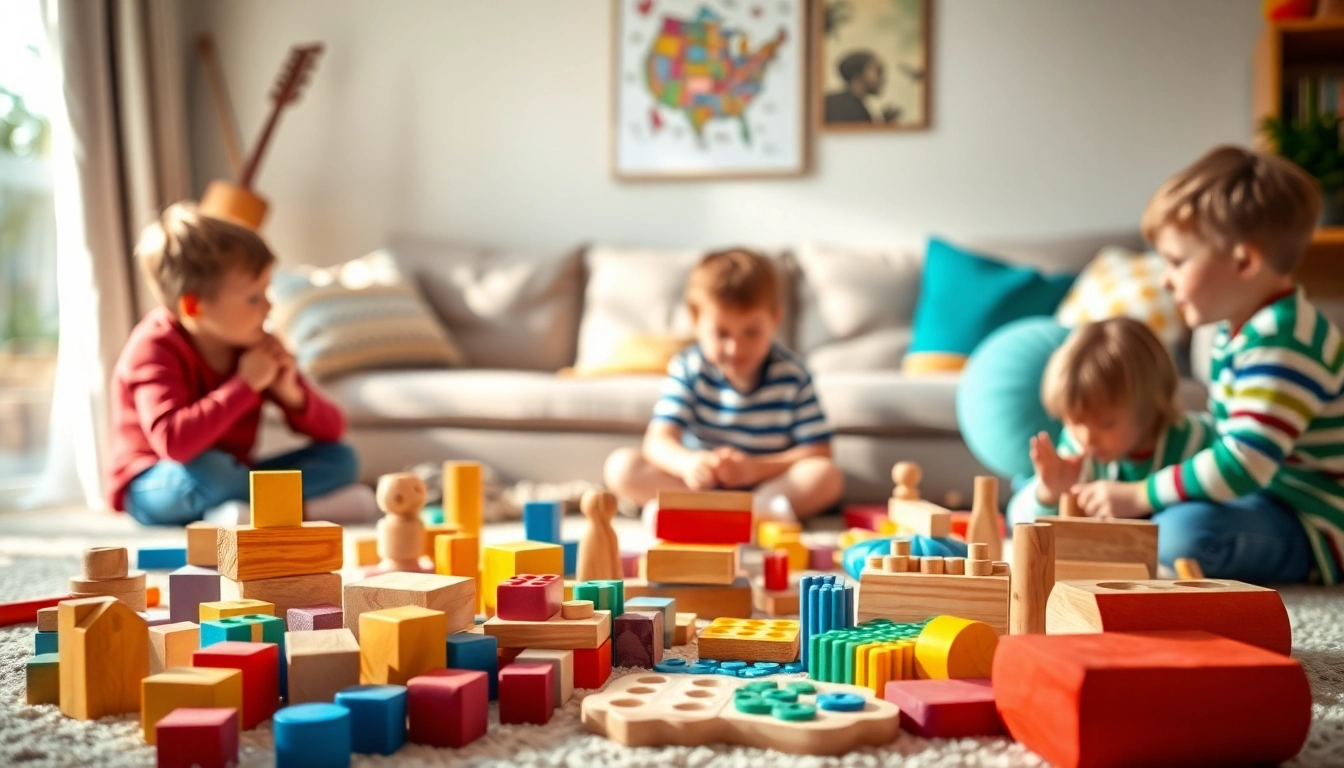
Engaging with screen-free toys plays a crucial role in developing fine motor skills. Activities such as building, crafting, and manipulating smaller objects require hand-eye coordination and dexterity. For instance, stacking blocks or assembling puzzles provides children with opportunities to practice precision and control. Such skills are not only vital for their immediate play experiences, but they also lay the foundation for future tasks like writing and drawing.
How Screen-Free Toys Stimulate Imagination
Screen-free toys have the unique ability to unlock a child’s imagination. Unlike digital games that often dictate the rules, physical toys allow children to create their own narratives. Whether building a fort with blocks or constructing a spaceship from cardboard, the possibilities are limitless. This creative process not only stimulates their imagination but also encourages problem-solving as they encounter challenges during play.
Top Picks for Young Builders
Building Blocks: A Classic Choice
No collection of screen-free toys would be complete without building blocks. These versatile tools come in various shapes, sizes, and materials, encouraging children to construct their ideas physically. Building blocks enhance spatial awareness and foster creativity, allowing young minds to transform simple shapes into intricate designs.
Craft Kits for Creative Minds
Craft kits can be a favorite among children who enjoy hands-on activities. These kits often include a variety of materials such as paper, glue, scissors, and decorative items. Through crafting, children learn to follow instructions, exercise critical thinking, and produce tangible products from their imaginations. Whether it's making greeting cards or bespoke decorations, the outcomes foster a sense of achievement.
Outdoor Toys for Physical Activity
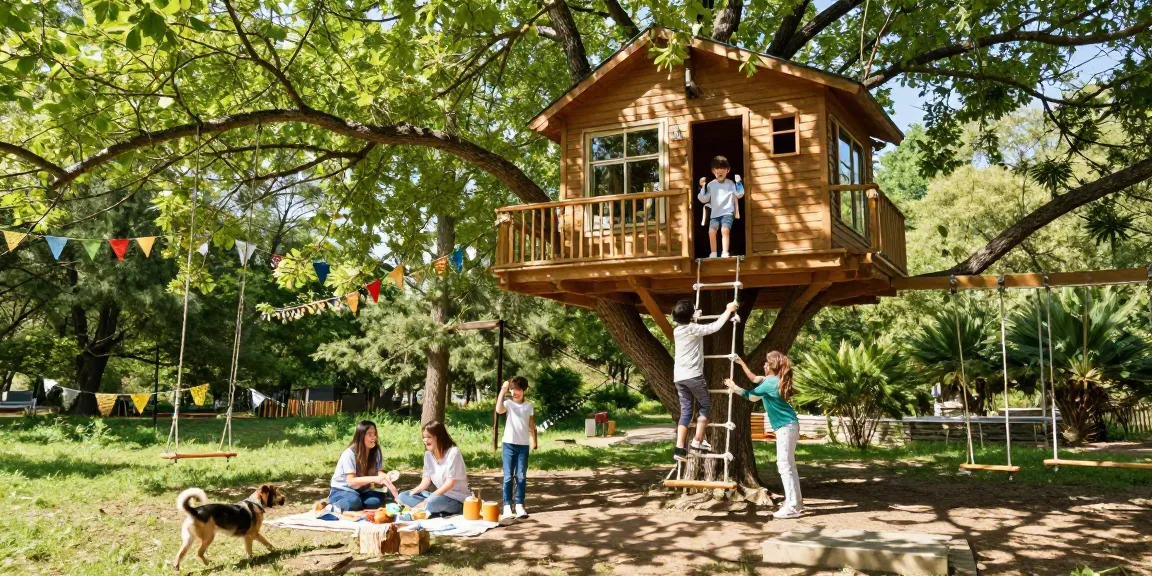
Outdoor toys are essential for encouraging children to explore their environment and promote physical activity. Items such as scooters, jump ropes, and garden tools not only keep kids physically active but also aid in developing coordination and balance. Outdoor play encourages children to harness their energy creatively, promoting both physical and mental well-being.
How to Choose the Right Toys
Age Appropriateness and Safety Features
Choosing toys designed for specific age ranges is paramount in ensuring they are safe and effective for development. Parents should consider the safety features of toys, such as choking hazards or sharp edges. Brands often label their products with age recommendations, helping parents make informed choices. Ensuring that toys align with a child's developmental stage fosters a sense of competency and ensures safety during play.
Balancing Skill Development and Fun
The best toys challenge children while ensuring they remain enjoyable. When selecting screen-free toys, parents should look for items that strike a balance between education and fun. For example, a puzzle can entertain a child while enhancing problem-solving skills. Encouraging children to engage with their toys profoundly ensures that playtime is both enjoyable and educational.
Environmental Considerations in Toy Selection
As the world becomes increasingly aware of environmental issues, choosing eco-friendly toys has become part of the selection process for many parents. Opting for toys made of sustainable materials or those that are biodegradable can lessen environmental impact. Many manufacturers are now creating products with minimal plastic, ensuring a playful experience that also respects the planet.
Incorporating Screen-Free Toys into Daily Life
Creating a Balanced Activity Schedule
Incorporating screen-free toys into a child's daily routine can be as straightforward as planning a balanced activity schedule. Parents can designate specific times for creative play, outdoor activities, and quiet time where children can explore their toys independently. By providing a structure, parents can ensure that their kids engage with diverse activities throughout the day, promoting overall development.
Encouraging Independent Play at Home
Independent play is crucial for a child's development, as it allows them to explore their own interests and ideas without adult interference. Parents can encourage this by providing a variety of screen-free toys and setting up designated play areas. Creating spaces where children can play freely cultivates a sense of autonomy and responsibility, essential traits for their growth.
Group Activities with Friends and Family
Encouraging group activities with screen-free toys can enhance social skills and foster friendships. Coordinating playdates that center around shared toys promotes collaboration and teamwork among children. These experiences help kids learn to share, negotiate, and communicate effectively—skills that are invaluable throughout their lives.
FAQs about Screen-Free Toys
What are the benefits of screen-free play?
Screen-free play fosters creativity, helps develop motor skills, and enhances social interactions. It allows children to engage with their world in a more tactile, meaningful way, promoting imagination and independence.
How do these toys assist in motor skills development?
Playing with screen-free toys, such as building blocks or puzzles, enhances hand-eye coordination, dexterity, and fine motor skills. These activities require manipulation and control, which are essential for tasks like writing.
Are screen-free toys suitable for all age groups?
Yes, screen-free toys can be tailored to suit various age groups. Parents should select toys based on age-appropriate developmental milestones to ensure they are effective and safe.
How can parents encourage imaginative play?
Parents can encourage imaginative play by providing open-ended toys that allow for creativity, like building sets and craft materials. Setting a space for play and participating can also inspire children to create.
What materials are best for screen-free toys?
Natural materials like wood, cotton, and recycled materials are excellent for screen-free toys, as they are safe for children and often more durable. Avoiding plastic helps minimize environmental impact.