Understanding the Importance of Screen-Free Play
In today’s digital age, screens have become an integral part of children's lives, often overshadowing the value of hands-on play. However, it is essential to prioritize screen-free play to foster key developmental skills. Engaging with tactile toys not only serves as an enjoyable diversion but plays a vital role in nurturing creativity, social skills, and fine motor development. For a deep dive into this subject and an array of engaging toy recommendations, visit the website.
The Benefits of Reducing Screen Time
Reducing screen time offers numerous benefits for children, paving the way for healthier development and enhanced creativity. Research suggests that excessive screen time can lead to issues such as reduced attention spans, sleep disturbances, and impaired social skills. Conversely, minimizing this time encourages children to engage with their environment and promotes physical activity, problem-solving, and imaginative thinking.
How Screen-Free Toys Foster Creativity
Screen-free toys provide endless possibilities for creative expression. Unlike digital devices that often dictate the structure of play, these toys allow children to explore their imagination freely. Building blocks, arts and crafts materials, and role-playing dolls inspire children to create their narratives, thereby honing their creative skills. This open-ended play nurtures originality and flexibility—qualities essential for future problem-solving and innovation.
Encouraging Social Interaction Through Play
Play has a unique ability to foster relationships and build social skills among children. Screen-free toys, particularly those designed for group play, encourage cooperation, negotiation, and communication. Whether participating in cooperative building sessions or sharing art supplies, children learn to work together and respect others' ideas, enhancing their social development. Engaging in such interactions also cultivates empathy, a crucial component of social success.
Top Picks for Fine Motor Skill Development
Wooden Building Blocks: Endless Possibilities
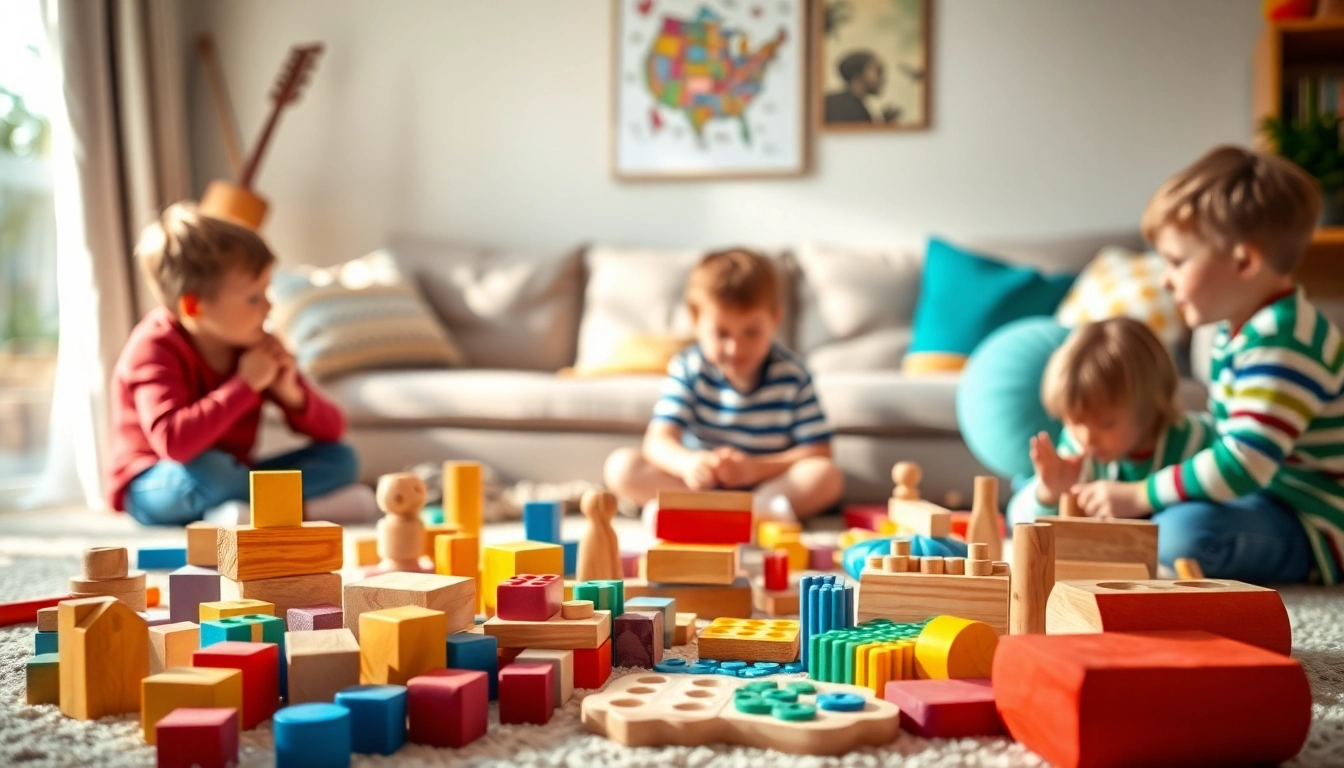
Wooden building blocks stand out as versatile toys that significantly enhance fine motor skills. They encourage children to grasp, stack, and balance, which strengthens hand muscles and coordination. Additionally, as children experiment with various structures, they develop critical spatial awareness and problem-solving abilities. The tactile nature of wooden blocks allows for open-ended play, making them a staple in screen-free environments.
Puzzles: Engaging Minds for Problem Solving
Puzzles offer a fantastic way to engage children’s minds while fostering cognitive development. They require children to think critically about piece shapes and placements, enhancing their problem-solving skills and patience. Moreover, assembling puzzles improves hand-eye coordination and dexterity. Parents can choose puzzles that resonate with their child's interests—be it dinosaurs, nature scenes, or popular characters—to keep them engaged and motivated.
Art Supplies: Expressing Imagination and Creativity
Art supplies provide an invaluable outlet for creativity, allowing children to express themselves in numerous ways. From finger painting to clay modeling, the possibilities are limitless. Engaging in art helps develop fine motor skills through activities such as gripping brushes or molding clay. Moreover, art encourages emotional expression and can be particularly therapeutic for children as they navigate complex feelings through creative outlets.
Incorporating Play into Daily Routines
Setting Up a Play-Friendly Space
Creating a dedicated play area can greatly enhance the quality and frequency of screen-free play. Designate a space within your home that is comfortable and easily accessible, filled with diverse toys and materials. Ensure that this area is organized and safe, allowing children to explore without barriers. This environment provides an opportunity for children to dig into imaginative play whenever they desire, fostering independence and creativity.
Creating a Daily Play Schedule
Integrating play into your child’s routine is essential for balancing their activities. Establishing a daily play schedule ensures that screen-free activities receive equal importance alongside homework and chores. Aim for at least one dedicated playtime session each day, engaging in activities that interest your child to maintain enthusiasm. Even short sessions can yield significant benefits, and children will look forward to this time of exploration and fun.
Balancing Screen and Non-Screen Activities
It is crucial to strike a balance between screen time and enriching non-screen activities. While screens have their place—educational apps and documentaries, for instance—it is important to prioritize hands-on play. Encourage a routine where limited screen time is followed by engaging with screen-free toys. This approach not only promotes a more balanced lifestyle but also enriches children's experiences, allowing them to engage more deeply with their surroundings.
Inspiring Open-Ended Play Scenarios
Role-Playing with Dolls and Action Figures
Role-playing is a powerful form of play that allows children to explore different scenarios and emotions. With dolls and action figures, children can reenact stories and create new narratives that reflect their experiences and fantasies. This type of play enhances language skills as children narrate their thoughts and feelings. Role-playing is also instrumental in developing empathy, as children learn to see the world from different perspectives.
Outdoor Play: Nature-Themed Creative Activities
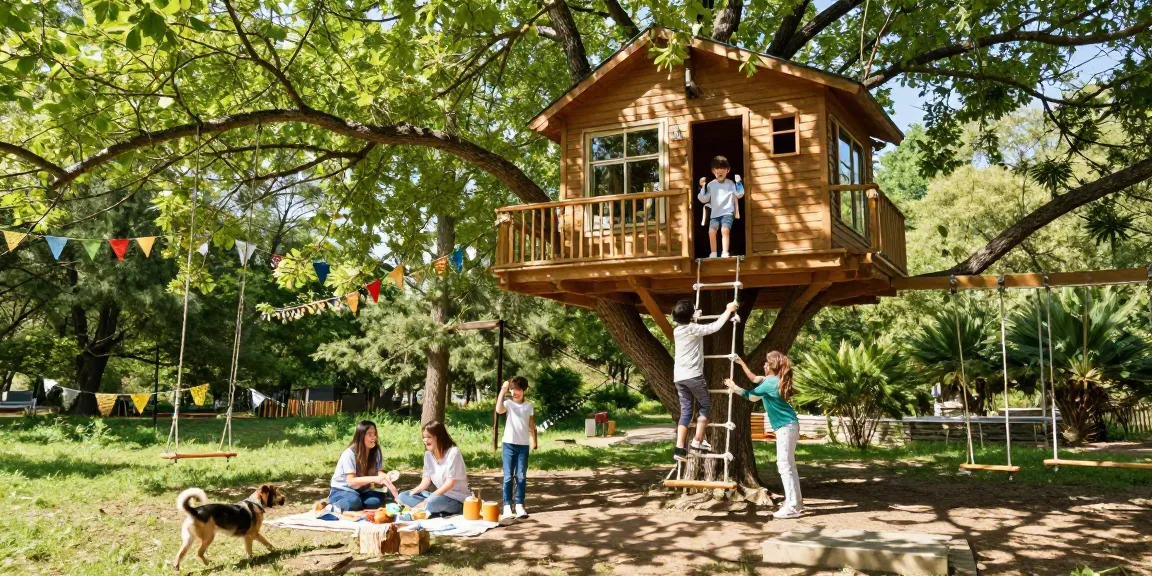
Outdoor play encourages creativity and exploration in a natural setting. Engage your children in activities such as nature scavenger hunts, where they search for leaves, rocks, and other natural items to create art projects or stories. Alternatively, building outdoor forts or obstacle courses enhances physical skills and incorporates imaginative play, fostering a deeper appreciation for nature and the environment.
Building Forts and Imaginative Spaces
Creating forts from blankets, pillows, or cardboard can become a fantastic play avenue. Children can design their dream play spaces that stimulate their imaginations. These forts can serve diverse roles—from a pirate ship to a cozy reading nook. Building and decorating their spaces develops architectural awareness and fine motor skills while encouraging collaboration if done as a group activity.
Frequently Asked Questions about Screen-Free Toys
What are the benefits of screen-free toys?
Screen-free toys enhance creativity, improve fine motor skills, and encourage social interaction among peers, promoting overall developmental success.
How can I make screen-free play more appealing to my child?
Introduce a variety of toys that cater to your child's interests. Create a designated play area to encourage exploration and self-directed play.
Are there specific toys that support learning?
Yes, toys like puzzles and building sets can teach problem-solving skills, geometry, and critical thinking while making learning engaging and fun.
How do I manage screen time effectively?
Set clear boundaries for screen time while scheduling regular intervals for engaging and creative play with screen-free toys to maintain balance.
Which age groups benefit most from screen-free toys?
All age groups benefit from screen-free toys, but toddlers to early school-age children particularly gain from fine motor skill development and imaginative play.