Understanding Telehandler Technology
Overview of Telehandler Functionality
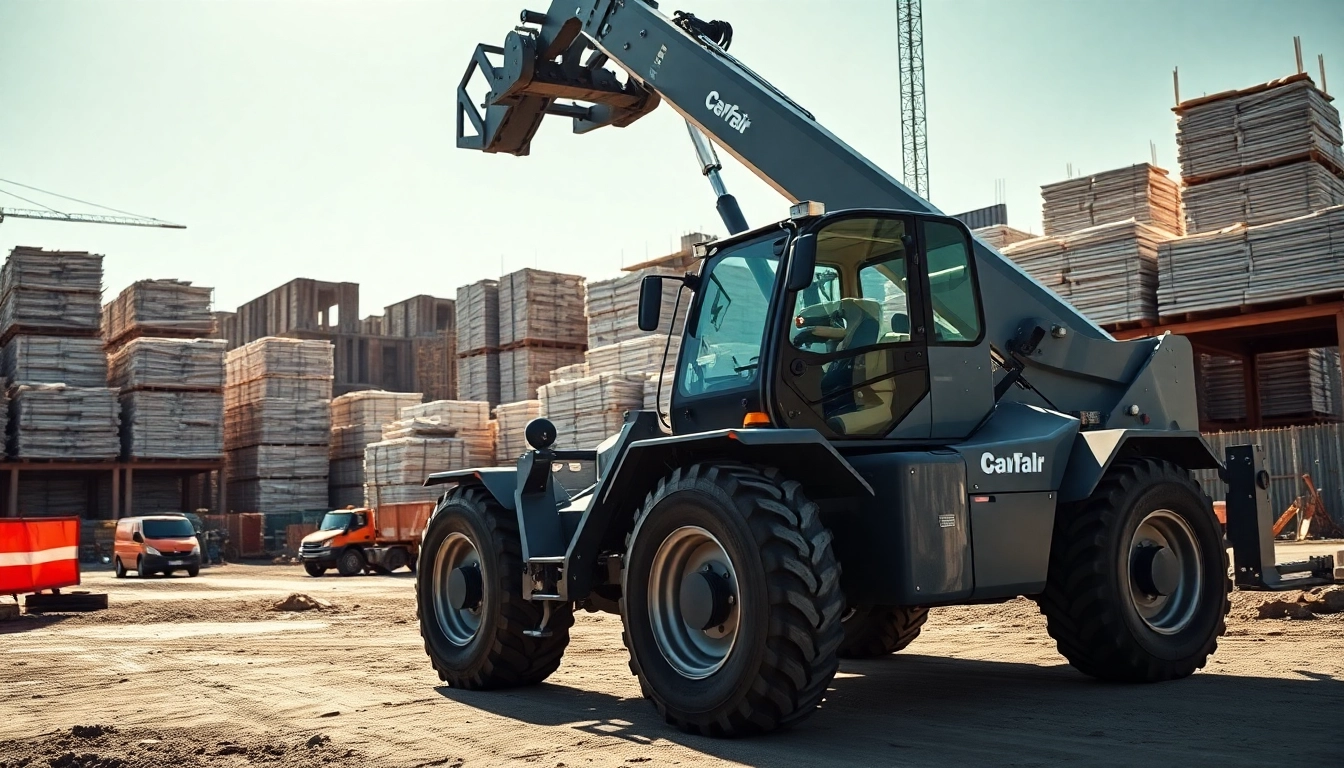
The telehandler, short for telescopic handler, is a versatile piece of equipment that combines the features of a crane and a forklift. It is primarily used in construction, agriculture, and industrial applications for lifting and moving materials. The telehandler's extended arm can reach heights and distances that conventional forklifts cannot. This unique functionality allows operators to maneuver heavy loads in challenging environments, making it an essential tool for various projects.
Key Specifications and Features
Telehandlers are equipped with several key specifications that enhance their utility and versatility. These include:
- Lift Capacity: Telehandlers typically range in lift capacity from 2,500 to 12,000 pounds, depending on the model. It's crucial to select a telehandler that matches the specific load requirements of your project.
- Maximum Lift Height: The maximum lift height can vary widely; many models can reach between 20 to 60 feet. Higher models are essential for projects involving tall structures.
- Forward Reach: This refers to how far the telehandler can reach forward, which can impact its ability to place loads accurately on construction sites.
- Power Source: Telehandlers can be powered by diesel or propane engines, with electric models becoming more prevalent for indoor applications.
- Drivetrain: Many telehandlers offer all-wheel drive, which provides better traction on rough terrains, increasing versatility and safety.
Types of Telehandler Models
There are various telehandler models designed for specific applications:
- Rough Terrain Telehandlers: Designed for off-road environments, these models feature larger tires, robust suspension, and increased ground clearance.
- Industrial Telehandlers: These models are typically used in warehouses or indoors, where mobility is required but rough terrain capabilities are not necessary.
- Compact Telehandlers: Ideal for tight spaces, compact telehandlers have smaller frames and are easier to maneuver without sacrificing load capacity.
Choosing the Right Telehandler for Your Project
Size and Load Capacity Considerations
When selecting a telehandler, understanding your project's size and load capacity requirements is critical. The right decision will depend on factors such as the maximum weight of materials to be lifted and the required reach. A telehandler's size can influence its performance and ability to navigate the job site, making it essential to accurately assess your needs before making a choice.
Terrain Compatibility
Terrain plays a vital role in telehandler selection. If the job site is situated in a rocky or uneven area, choosing a rough terrain telehandler with appropriate tires and suspension is necessary. For projects on smooth surfaces like concrete, an industrial telehandler would suffice. Consider the ground conditions, potential obstacles, and site layout when making your selection.
Telehandler Attachments and Accessories
Telehandlers can be equipped with various attachments that increase versatility and functionality. Common attachments include:
- Buckets: Ideal for scooping materials like sand or gravel.
- Pallet Forks: Commonly used for lifting and transporting pallets.
- Jibs: Extending the reach for placing loads further away.
- Concrete Mixers: For projects requiring the transportation of concrete.
Selecting the right attachments can maximize the efficiency and adaptability of your telehandler across various tasks.
Operational Best Practices for Telehandler Use
Safety Protocols When Operating Telehandlers
Safety is paramount when operating a telehandler. Operators should adhere to the following safety protocols:
- Wear appropriate personal protective equipment (PPE) such as helmets, gloves, and safety boots.
- Conduct thorough pre-operation checks, ensuring all safety features are fully operational.
- Be aware of safe load limits; never exceed the manufacturer’s recommended capacity.
- Maintain a clear line of sight and use spotters when operating in congested areas.
Maintenance Tips for Longevity
Regular maintenance is essential to prolong the life of a telehandler. Key maintenance practices include:
- Checking fluid levels such as oil, hydraulic fluid, and coolant regularly.
- Inspecting tires for wear and ensuring they are properly inflated.
- Cleaning the machine to prevent debris buildup that could affect performance.
- Following the manufacturer's maintenance schedule for inspections and servicing.
Training Requirements for Operators
Proper training is vital for telehandler operators to ensure safety and efficiency. Training should cover:
- Understanding equipment controls and safety features.
- Load handling techniques to prevent accidents.
- Job site assessments to recognize hazards and risks.
- Emergency procedures in case of equipment failure or accidents.
Common Challenges in Telehandler Utilization
Identifying and Mitigating Risks
Telehandler usage presents several risks, including tipping over, collisions, and load falls. Identifying these risks involves assessing the work environment, load characteristics, and operator competency. Utilizing safety features like stabilizers and ensuring proper operator training can mitigate these risks significantly.
Addressing Performance Issues
Performance issues such as slow response times or lifting difficulties can hinder productivity. Regular diagnostics and tuning can address these concerns. If problems persist, having qualified technicians perform repairs is critical to maintain optimal function.
Adapting to Weather and Site Conditions
Weather and site conditions can impact telehandler operations. Adverse conditions like rain, mud, or snow can create slippery surfaces that affect traction. Operators should adjust their strategies accordingly, utilizing rough terrain models in such environments and being cautious to ensure load safety.
Future Trends in Telehandler Technology
Automation in Telehandler Operations
The future of telehandlers includes increased automation. Automated systems can enhance precision in material handling and reduce operational risks. This technological advancement allows operators to focus on strategic tasks while machines handle the lifting and transporting phase, improving overall site efficiency.
Enhancements in Fuel Efficiency
With rising environmental concerns, manufacturers are focusing on developing telehandlers with better fuel efficiency. Innovations in engine technology, coupled with hybrid and battery-operated models, promise a reduction in fuel consumption and emissions, aligning with sustainability goals in construction and industrial operations.
Impact of Eco-friendly Telehandler Models
As the demand for eco-friendly solutions increases, telehandler manufacturers are creating models that minimize environmental impact. These models often use alternative fuels, lightweight materials, and energy-efficient systems, allowing users to contribute to sustainability while benefiting from modernized capabilities.
Frequently Asked Questions
What is a telehandler used for?
A telehandler is a versatile construction vehicle used for lifting and moving materials with a telescoping arm.
How does a telehandler differ from a forklift?
Unlike a forklift, a telehandler has a longer reach and can handle heavier loads at various heights.
What are the safety measures for using a telehandler?
Operators must wear safety gear, conduct pre-operation checks, and follow manufacturer guidelines to ensure safe operation.
Can telehandlers operate on rough terrains?
Yes, many telehandlers are designed for rough terrain, but it's essential to select models specifically engineered for these conditions.
What maintenance does a telehandler require?
Regular maintenance includes checking fluid levels, inspecting tires, and ensuring all safety functions are operational.